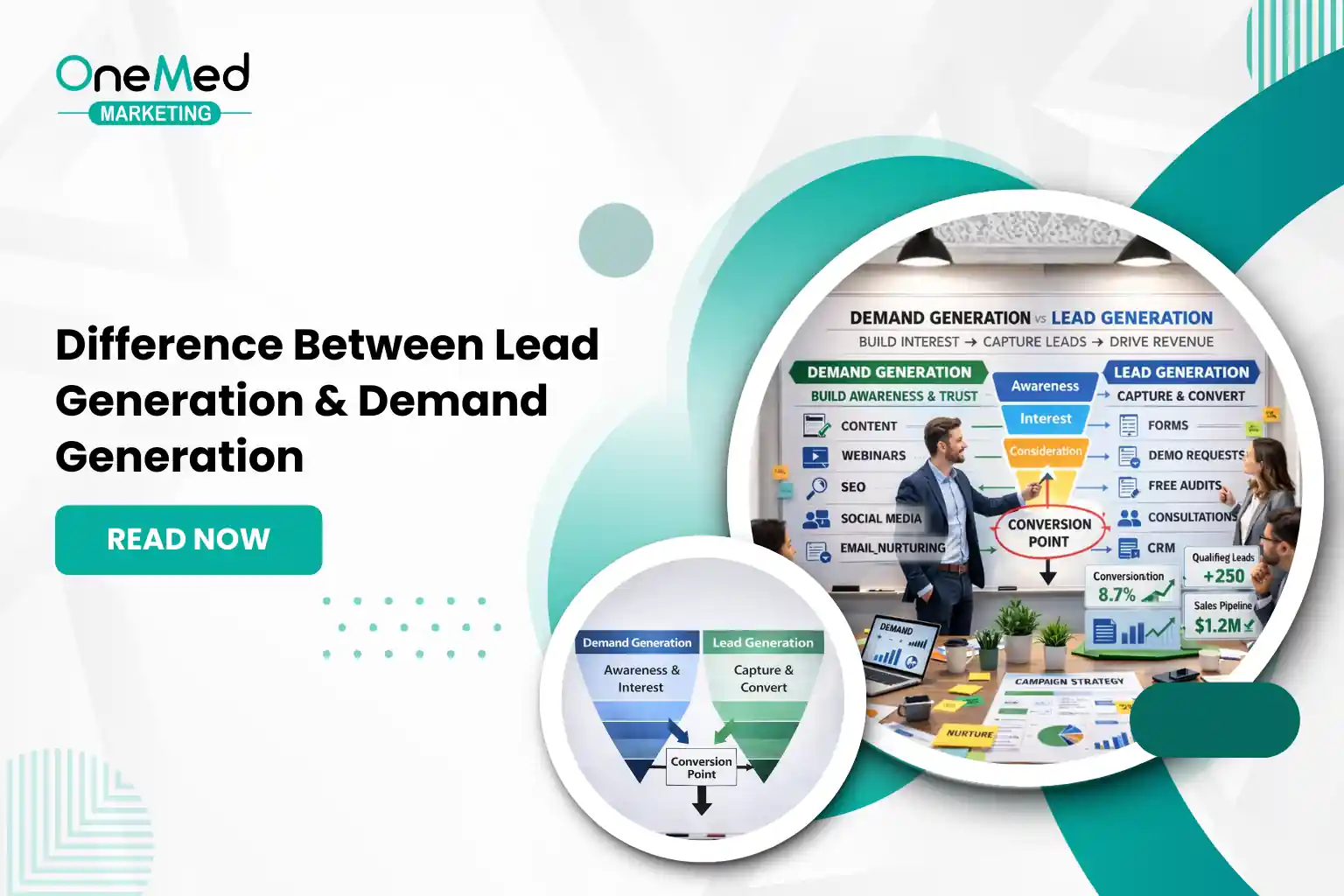
Lead generation and demand generation are often used like they mean the same thing, but they play different roles in business growth. Lead generation focuses on capturing contact details from people who are already interested. Demand generation focuses on building awareness, trust, and interest before people are ready to buy.
Both are important. If you only focus on lead generation, you may get short-term enquiries but struggle with lead quality. If you only focus on demand generation, you may build attention but fail to turn that interest into real opportunities. The best results come when both work together.
What is Lead Generation?
Lead generation involves reaching out to potential customers and getting their contact details to nurture and transform them into paying clients. It is about capturing their current buying intention. The buyer is already experiencing the problem. It is just to make them raise their hand easy. This normally occurs by use of landing pages, demo requests, consultations, paid search campaigns, or gated content.
What Is Demand Generation?
Demand generation refers to creating awareness and interest in the market way before the buyers are willing to discuss their purchases with the vendors. It does not capture demand but rather creates it. This is the reason as to why, demand generation will generate less initial leads, yet stronger. The quality of the pipeline is normally better since the buyers are already aware of the issue before they can interact. Actually, demand generation-oriented companies tend to have close rates at 26 percent higher and to have four times more revenue impact than lead-based strategies only.
Difference Between Lead Generation and Demand Generation
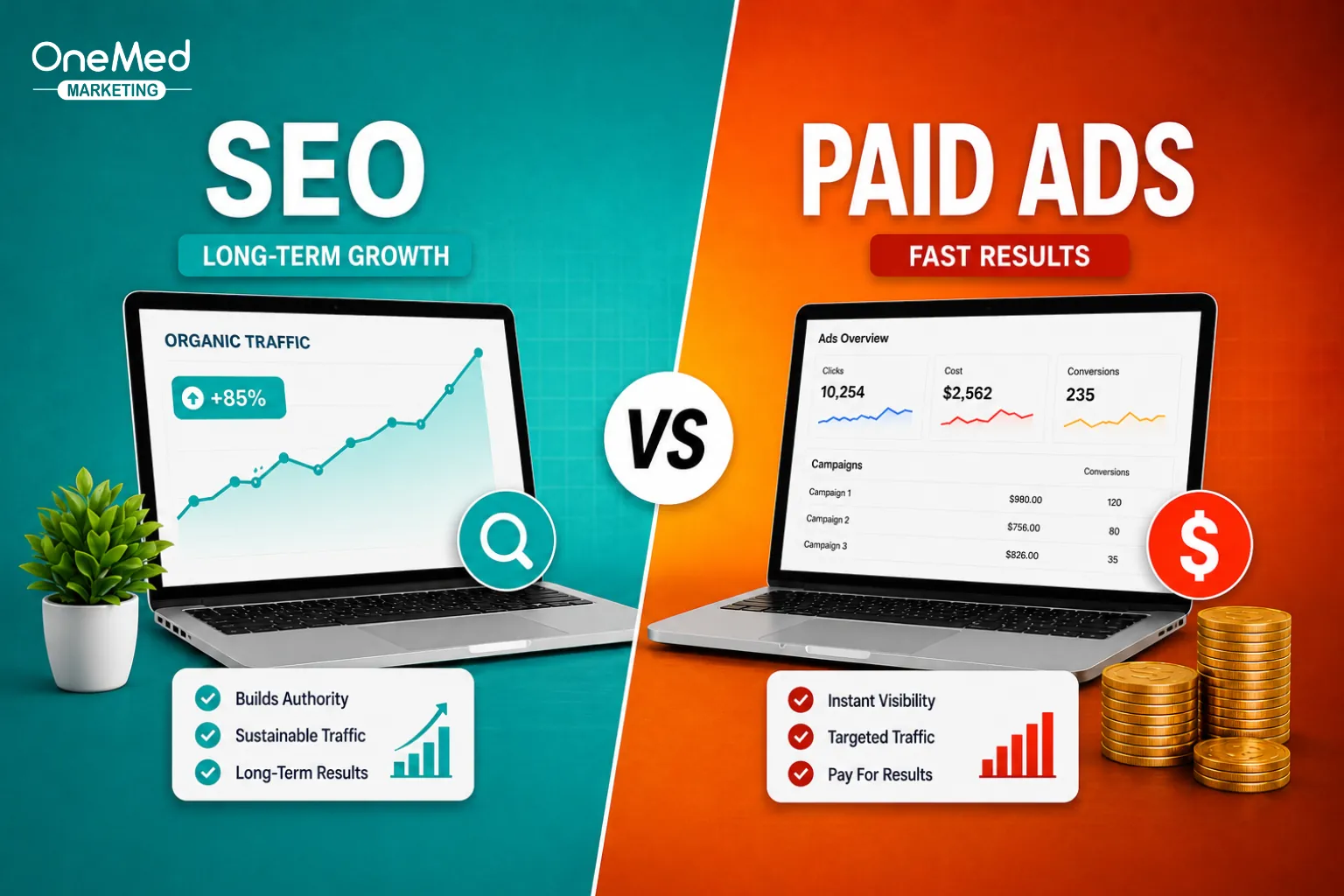
Although both strategies are focused on increasing revenue, lead generation and demand generation have different purposes in the marketing funnel. Lead generation is aimed at capturing the prospects who are willing to interact where demand generation is done earlier in the buyer cycle so as to create awareness, trust, and preference. The following table reflects the most important distinctions in terms of goals, timeline, tactics, metrics, and business impact.
| Category | Lead Generation | Demand Generation |
|---|---|---|
| Primary Goal | Capture contact information from interested prospects | Create awareness, interest, and trust before buyers are ready |
| Core Focus | Converting existing intent into sales opportunities | Building market demand and brand preference over time |
| Funnel Stage | Bottom-of-funnel (BOFU) | Top- and middle-of-funnel (TOFU & MOFU) |
| Time Horizon | Short- to mid-term (30–90 days typical) | Long-term (3–12+ months) |
| Audience Awareness Level | Prospects already aware of their problem and seeking solutions | Prospects who may not yet recognize the problem or urgency |
| Content Type | Gated content, demos, consultations, pricing pages | Educational articles, thought leadership, industry insights |
| Typical Channels | Paid search ads, landing pages, retargeting, LinkedIn lead forms | SEO content, webinars, podcasts, social thought leadership |
| Measurement Metrics | Cost per lead (CPL), conversion rate, MQL/SQL volume, pipeline value | Organic traffic growth, engagement, brand search volume, pipeline influence |
| Sales Involvement | Immediate handoff to sales team | Delayed involvement; nurtures before sales engagement |
| Revenue Impact | Direct and trackable in the short term | Indirect at first; compounds over time |
| Cost Structure | Often dependent on paid media | Often content and authority-driven; lower long-term CAC |
| Risk If Used Alone | High ad costs, low-quality leads if demand is weak | Slow results if no lead capture system exists |
| Best Used When | You need immediate pipeline growth | You need to build authority or enter competitive markets |
| Healthcare Application Example | Hospital requests demo for EMR system | Publishing research-backed insights on EMR workflow efficiency |
What Business Problem Does the Demand Generation Solve?
Demand generation solves underlying growth issues that could not be resolved by the lead capture. It dwells on enhancing market recognition, confidence, and sustainability of pipelines in the long-run.
1. Low Market Awareness and Poor Brand Recognition
A lot of healthcare companies fail due to the fact that their target audience is unaware of their existence. Strong solutions do not succeed when decision-makers do not know the brand or they lack information about the credibility of the brand. The visibility of demand generation is driven by education, thought leadership, and presence in the industry so that your brand is well known before the buyers start making comparison of vendors.
2. Buyers Who Are Not Yet Ready to Engage
The buying decisions in the healthcare sector usually have a lengthy review process and many stakeholders. The trend research and exploration may be performed by many potential buyers well before budget approval. These prospects grow in the early stages and are thus fostered through demand generation and informed of the problems and solutions such that when intent is formed, your organization is already the one they trust.
3. Increasing Customer Acquisition Costs
Whenever businesses depend on lead generation only, they are fighting over a small number of high-intent customers, which tends to decrease advertising expenses and decreases the return on investment. Demand generation increases the aggregate addressable demand through the effect it has on future buyers, paid media performance and reduces the long term acquisition costs of the customer.
4. Long and Complex Sales Cycles
Clinical validation, financial justification, and administrative approval are routinely required to make decisions in healthcare. Demand generation reduces the sales cycles, through pre-educating stakeholders, matching expectations and creating trust, prior to actual sales discussions.
What Business Problem Does Lead Generation Solve?
The issue of lead generation is used to resolve the issues of immediate revenue and pipeline. Whereas demand generation creates future opportunity demand, lead generation is aimed at the transformation of an active interest into quantifiable sales momentum.
1. Inadequate Sales Pipeline
A inconsistent or diminishing pipeline is one of the most widespread business challenges that companies have to deal with. Revenue can never be predictable without a constant stream of qualified prospects flowing into the system. This is solved by lead generation which captures high-intent buyers and directing them to the sales process in a systematic manner.
2. Short-Term Revenue Pressure
Many healthcare organisations work with quarterly or annual revenue targets. When leadership needs faster pipeline movement, lead generation gives the business a direct way to create enquiries, demo requests, consultations, or bookings. It helps teams get more business leads without waiting months for brand awareness to build.
3. Missed High-Intent Opportunities
Potential buyers do not find the required solutions but encounter competitors and lose valuable sources of revenue. Lead generation will make sure that organizations can tap on the demand that is present by using the best landing pages, paid search campaigns, and conversion pathways.
4. Lack of Measurable Marketing ROI
The executives frequently need tangible performance measures related to the marketing investment. Some of the trackable results that lead generation can provide include cost per lead (CPL), conversion rates, pipeline value, and revenue attribution. It will be easier to justify marketing expenditure and align with sales targets.
Why Healthcare Needs Both?
Healthcare buying decisions often involve many people. A provider may care about patient outcomes, an administrator may focus on workflow, finance teams review cost, and compliance teams look at risk.
That is why healthcare marketing needs both demand generation and lead generation.
Demand generation helps educate buyers early, before they are ready to speak with sales. It builds awareness, trust, and brand familiarity.
Lead generation helps when buyers are ready to take action. It gives them a clear path to request pricing, book a call, download a resource, or contact the team.
Using only awareness campaigns can slow down pipeline growth. Using only lead capture can bring weaker leads if buyers do not already trust the brand.
The best approach is to use both together. Demand generation builds interest, and lead generation turns that interest into real opportunities.
When Should You Prioritize Demand Generation?
Healthcare brands should focus on demand generation when the market is not fully aware of the problem, the solution, or the brand. If buyers are still researching, learning, and trying to understand their options, the focus should be on education and trust-building before conversion.
Demand generation should be a priority when:
- Your target audience does not fully understand the problem yet.
- Your brand has low awareness in the market.
- Buyers need education before they are ready to speak with sales.
- Your sales cycle is long and involves multiple decision-makers.
- Your current leads are low quality or not ready to buy.
- You are entering a new market or launching a new solution.
- You want to build long-term trust, authority, and brand recall.
In this stage, the focus should be on helpful content, SEO articles, webinars, social media education, thought leadership, case studies, and industry insights. The goal is to build awareness and trust so buyers remember your brand when they are ready to take action.
When Should You Prioritize Lead Generation?
Healthcare brands should focus on lead generation when they need qualified enquiries in the near future. If people already understand the problem and are actively looking for a solution, the focus should shift from education to conversion.
Lead generation should be a priority when:
- Your service category already has clear market demand.
- Your brand has some trust or recognition in the market.
- Your sales team needs a steady flow of qualified enquiries.
- You have short-term revenue or quarterly growth targets.
- Buyers are already comparing vendors or solutions.
- Competitors are targeting high-intent keywords and searches.
- You are promoting a service that buyers already understand.
In this stage, the focus should be on strong landing pages, clear calls to action, paid campaigns, SEO service pages, and simple conversion paths. The goal is to capture existing demand and turn it into real sales opportunities.
Conclusion
Lead generation and demand generation are not competing strategies. They support different parts of the same growth process.
Demand generation helps healthcare brands build awareness, trust, and authority before buyers are ready to take action. Lead generation helps capture that interest when buyers are ready to request information, compare options, or speak with a team.
For healthcare companies, using both together is important because buying decisions are often long, careful, and handled by multiple stakeholders. A strong strategy should educate the market early, stay visible during the research stage, and make it easy for serious buyers to take the next step.