

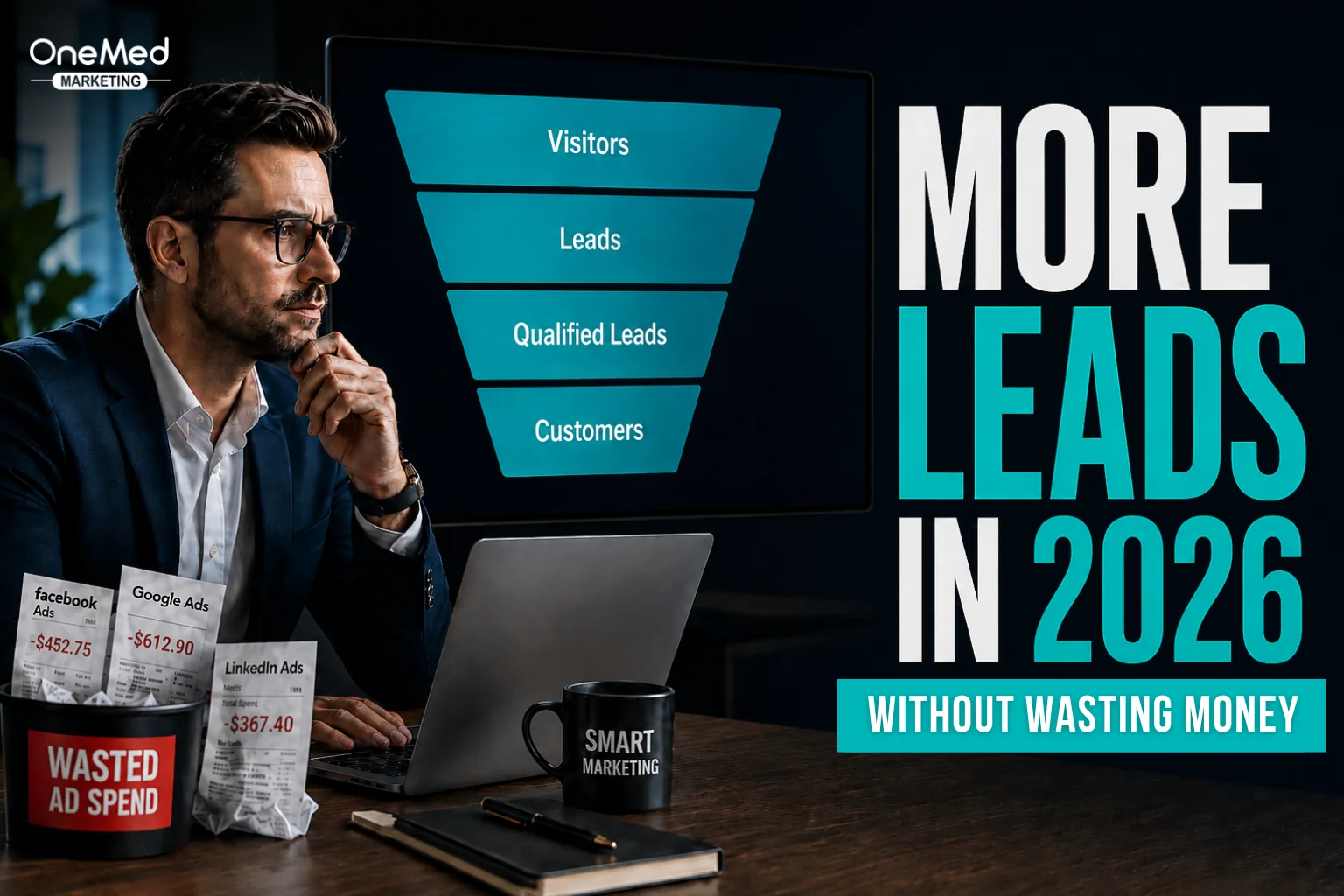
Many businesses struggle to get steady leads, even when they offer great products or services. The problem is not always lack of effort. In most cases, it is an unclear strategy. Some businesses focus only on traffic, some try too many tactics at once, and many do not know what actually turns interest into real inquiries. Without a clear system, lead generation feels random, and results are hard to repeat.
This guide breaks lead generation into simple, practical steps that work. You will learn how to attract the right audience, turn website visitors into leads, and focus on quality instead of wasting time on people who are not a good fit.
What Is Lead Generation?
Lead generation is the process of attracting people who are likely to need your product or service and guiding them toward taking the next step. This could be filling out a form, booking a call, requesting a quote, or asking for more information.
The main goal is to turn interest into a real business opportunity. Instead of waiting for customers to find you by chance, lead generation helps you reach the right audience, answer their needs, and make it easy for them to contact your business.
Types of Leads Every Business Should Understand
Not every lead is at the same stage. Some people are only learning about a problem, while others are ready to speak with your team. Understanding the different types of leads helps you follow up the right way and avoid treating every enquiry the same.
1. Cold leads
Cold leads are people who may fit your target audience but have not shown strong interest yet. They may not know your business, your service, or why they need your help.
These leads usually need education first. Helpful content, awareness campaigns, and simple explanations can help them understand their problem and see your business as a possible solution.
2. Warm leads
Warm leads have shown some level of interest. They may have visited your website, read your content, followed your social media page, downloaded a resource, or engaged with an email.
They are not always ready to buy, but they are more aware of your business. A good follow-up process can help move them closer to a decision.
3. Hot leads
Hot leads are people who are actively looking for a solution and may be ready to take action soon. They might request pricing, book a call, submit a contact form, or ask specific questions about your service.
These leads should be followed up quickly because their interest is already high. A slow response can cause them to choose another provider.
4. Marketing qualified leads
A marketing qualified lead, or MQL, is someone who has shown enough interest to be considered a potential customer. This could be based on actions like downloading a guide, visiting key service pages, or filling out a form.
An MQL may still need more information before speaking with sales, but they are more valuable than a general website visitor.
5. Sales qualified leads
A sales qualified lead, or SQL, is a lead that is ready for direct sales follow-up. They usually have a clear need, a real interest in your service, and a higher chance of becoming a customer.
These leads should be handled carefully with clear communication, quick response, and a strong understanding of their needs.
6. Poor-fit leads
Poor-fit leads are people who contact your business but are not a good match for your service, budget, location, timeline, or offer. They may still submit forms or ask questions, but they are unlikely to convert.
Identifying poor-fit leads early saves time and helps your team focus on better opportunities.
Why Most Businesses Struggle to Generate Leads?
Many businesses work hard on marketing but still do not get steady leads because their efforts are not focused in the right direction.
- They attract the wrong audience because more traffic does not help if visitors are not looking for the service.
- Their website does not convert visitors because it does not clearly guide people to contact the business.
- Their follow-up is slow and interested leads may choose another company.
- They depend on one channel only which makes lead flow unstable.
- They do not track results so they cannot see which channels bring real leads.
How To Generate More Business Leads?
Generating more business leads is not about trying every marketing tactic at once. It works best when your website, content, SEO, follow-up, and offers all guide the right people toward one clear next step.
1. Improve Your Website for Lead Conversion
Your website should not just explain your business. It should help visitors understand what you offer, why they should trust you, and how they can contact you. Clear service details, simple navigation, strong trust signals, and visible contact options can help turn more visitors into real leads.
2. Create Service Pages That Target Buyer Intent
People usually search for a specific service when they are close to making a decision. That is why each main service should have its own dedicated page. A focused service page helps visitors find exactly what they need and gives search engines a better reason to rank your website for relevant searches.
3. Use SEO to Attract People Already Searching
SEO helps your business appear in front of people who are already looking for your service or solution. These visitors often have stronger intent because they are not just browsing. They are actively searching for help, which makes them more likely to become leads.
4. Publish Helpful Content That Answers Real Questions
Helpful blogs, guides, and FAQs can attract people who are researching a problem before they contact a business. When your content answers their questions clearly, it builds trust. Over time, this can turn readers into leads because they see your business as helpful and reliable.
5. Add Clear Calls to Action on Important Pages
Every important page should tell visitors what to do next. If someone is interested but cannot find a clear action, they may leave. Simple calls to action like “Book a Call,” “Request a Quote,” or “Contact Us” make the next step easy and clear.
6. Keep Forms Short and Simple
Long forms can stop people from reaching out, especially if they are only making an initial enquiry. Ask only for the details needed to start the conversation, such as name, phone number, email, and service interest. A simple form can increase the number of people who complete it.
7. Use Email Marketing to Follow Up With Interested People
Not every lead is ready to buy right away. Email marketing helps you stay connected with people who have shown interest but need more time. Useful updates, reminders, tips, and offers can bring them back when they are ready to take the next step.
8. Stay Active on Social Media Where Your Audience Spends Time
Social media helps your business stay visible and start conversations with potential customers. Sharing helpful posts, answering questions, and showing real expertise can build trust before someone visits your website or contacts you.
9. Build Referral and Partner Relationships
Referrals often bring strong leads because they come from people or businesses your audience already trusts. Building good relationships with customers, partners, and related businesses can create a steady source of high-quality leads without depending only on ads.
10. Use Paid Ads With Proper Landing Pages
Paid ads can generate leads faster, but only when they send people to the right page. A good landing page should match the ad message, explain the offer clearly, and make it easy to take action. Without a focused landing page, paid traffic can quickly become wasted money.
The Lead Generation Process Every Business Needs
Lead generation does not need to be complicated. The best results usually come from a clear process: bring the right people in, give them a reason to take action, and focus your sales effort on the leads that are most likely to become customers.
1. Attract the right audience
More website traffic does not always mean more qualified leads. A business can get hundreds of visitors and still receive very few real enquiries if the content is not reaching the right people.
Strong lead generation starts with understanding what your ideal customers are searching for, what problems they want to solve, and what kind of help they need. Your SEO, website content, service pages, and marketing messages should all speak to those needs.
The goal is not just to bring people to your website. The goal is to attract people who are already looking for a service like yours.
2. Turn interest into action
Once the right visitor lands on your website, the next step should be simple. They should not have to search for a contact form, guess what you offer, or wonder how to get started.
Clear calls to action, simple forms, strong service pages, and helpful landing pages make it easier for visitors to take the next step. Whether they want to book a call, request pricing, download a guide, or ask a question, the path should be easy to follow.
A good lead generation strategy removes confusion and gives interested visitors a clear reason to act.
3. Qualify leads before sales follow-up
Not every enquiry will be a good fit. Some people may not be ready to buy, some may not match your service area, and some may need a different solution. That is why lead qualification matters.
Simple questions on a form, a short discovery call, or a basic follow-up process can help you understand which leads are worth your sales team’s time. This keeps your team focused on people who are more likely to convert.
In many cases, a smaller number of qualified leads is more valuable than a large number of poor-fit enquiries.
4. Nurture leads that are not ready yet
Some leads may be interested but not ready to make a decision right away. That does not mean they are lost. With the right follow-up emails, helpful content, case studies, and reminders, you can stay connected until they are ready to move forward.
Lead nurturing helps build trust over time. It keeps your business visible and makes it easier for potential customers to come back when they are ready to choose a service provider.
5. Track what is working
A lead generation framework is only useful when you know what is bringing results. Tracking helps you see which pages, keywords, campaigns, and calls to action are producing real leads.
Without tracking, businesses often keep spending time and money on activities that look busy but do not bring results. With proper tracking, you can improve what works, fix what does not, and make smarter marketing decisions.
How Businesses Can Generate Leads Through Various Channels?
Generating leads is about creating clear ways for people to find your business, learn about your services, and take the next step. There is no single method that works for everyone. The most effective approach combines multiple strategies that attract interest, build trust, and make it easy for potential customers to reach out.
1. Generate leads through a website
A business website should be more than an online brochure. It should guide visitors toward taking action. Clear messaging, simple navigation, and visible contact options help turn visitors into leads. Every important page should answer a question and offer a next step, such as a contact form or request option.
2. Use contact forms and calls to action
Contact forms and calls to action give visitors a clear way to reach out. Forms should be short and easy to fill out, asking only for essential information. Calls to action should explain what happens next, so users feel comfortable submitting their details.
3. Create helpful content that attracts interest
Content helps bring in people who are already looking for answers. Blogs, guides, and resources that solve real problems build trust and attract the right audience. When content is useful, readers are more likely to contact the business or share their information.
4. Use search engine optimization to get organic leads
SEO helps businesses show up when people search for related services or solutions. By targeting the right keywords and answering common questions, businesses can attract steady traffic without paying for ads. Over time, SEO becomes a reliable source of high-quality leads.
5. Generate leads through email marketing
Email marketing helps stay connected with people who have already shown interest. By offering useful updates, tips, or reminders, businesses can turn interest into action. Email works best when it focuses on value instead of constant promotion.
6. Use social media to start conversations
Social media platforms help businesses connect with potential leads where they already spend time. Sharing helpful content, answering questions, and engaging in discussions builds visibility and trust. Social media works best when it focuses on interaction, not just posting links.
7. Build referral and partner relationships
Referrals often bring high-quality leads because they come from trusted sources. Businesses can encourage referrals by building strong relationships with customers and partners. Partnering with related businesses can also open new lead channels without high costs.
8. Use paid advertising carefully
Paid ads can generate leads quickly when used the right way. They work best when combined with clear landing pages and a focused message. Paid lead generation should be tested and tracked closely to avoid wasted spend.
9. Follow up quickly with interested leads
Generating leads is only half the process. Fast and clear follow-up increases the chance of conversion. When businesses respond quickly and provide helpful information, leads are more likely to move forward.
10. Track and improve lead generation efforts
Tracking results helps businesses understand what is working and what is not. Monitoring lead sources, conversion rates, and follow-up outcomes allows teams to improve over time. Lead generation works best when it is treated as an ongoing process, not a one-time task.
Common Lead Generation Mistakes to Avoid
Even a good lead generation strategy can fail if small mistakes keep getting repeated. Most businesses do not lose leads because people are not interested. They lose them because the message is unclear, the follow-up is slow, or the next step feels difficult.
1. Focusing on traffic instead of intent
More visitors do not always mean more leads. If people are landing on your website but are not looking for your service, they will not take action. Quality traffic matters more than high traffic numbers.
2. Not making the next step clear
Many visitors leave because they do not know what to do next. Every important page should clearly guide them toward an action, such as booking a call, requesting a quote, or submitting a short form.
3. Delaying follow-up
A lead is most valuable when interest is fresh. If a business takes too long to respond, the person may contact another company. Fast and helpful follow-up can increase trust and improve conversions.
4. Asking for too much information
Long forms can make people stop halfway. Keep forms simple and ask only for the details needed to start the conversation.
5. Not tracking lead sources
Without tracking, it is hard to know which channels bring real enquiries. Tracking helps businesses see what works, what needs improvement, and where to spend more time or money.
Conclusion
Lead generation works best when it is treated as a system, not a one-time task or a single tactic. When each step works together, from attracting the right audience to following up with qualified leads, results become more predictable and easier to improve.
Instead of chasing every new trend, focus on consistency. Bring in people who actually need your service, give them a clear way to reach out, and respond in a timely way. Quality always matters more than volume.
Track what is working, make small improvements, and keep refining your process over time. With a clear plan and steady effort, lead generation becomes a reliable part of business growth instead of a constant challenge.